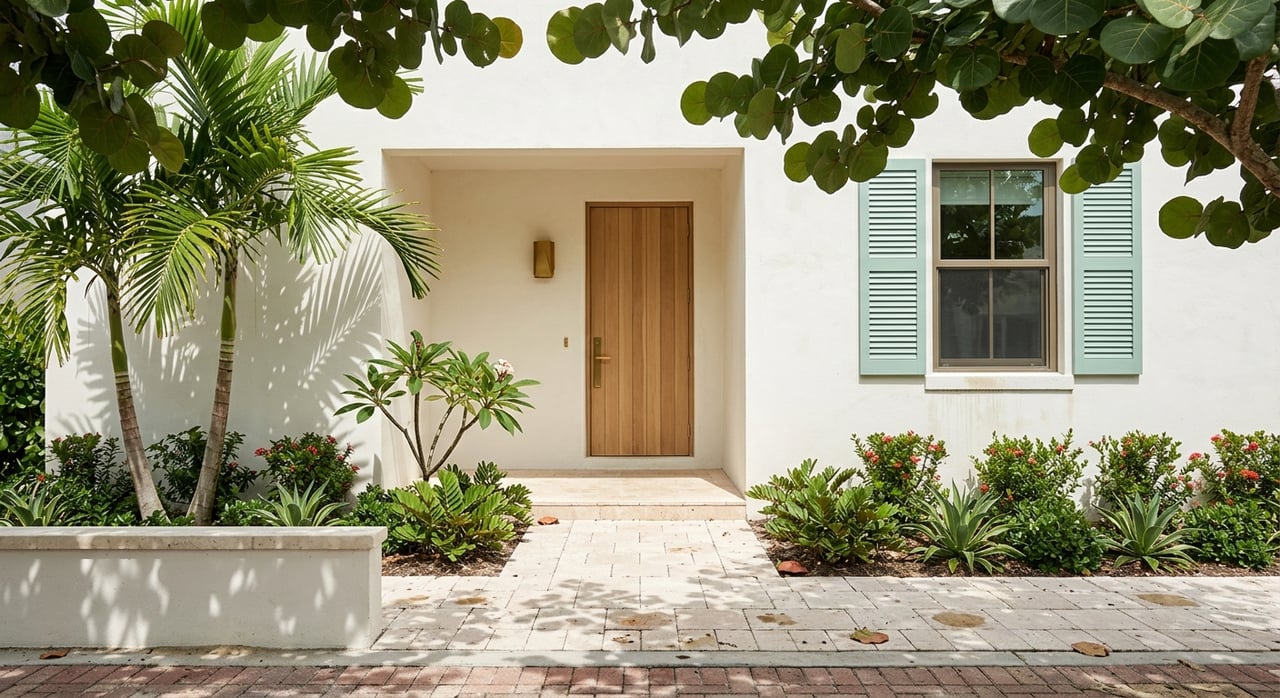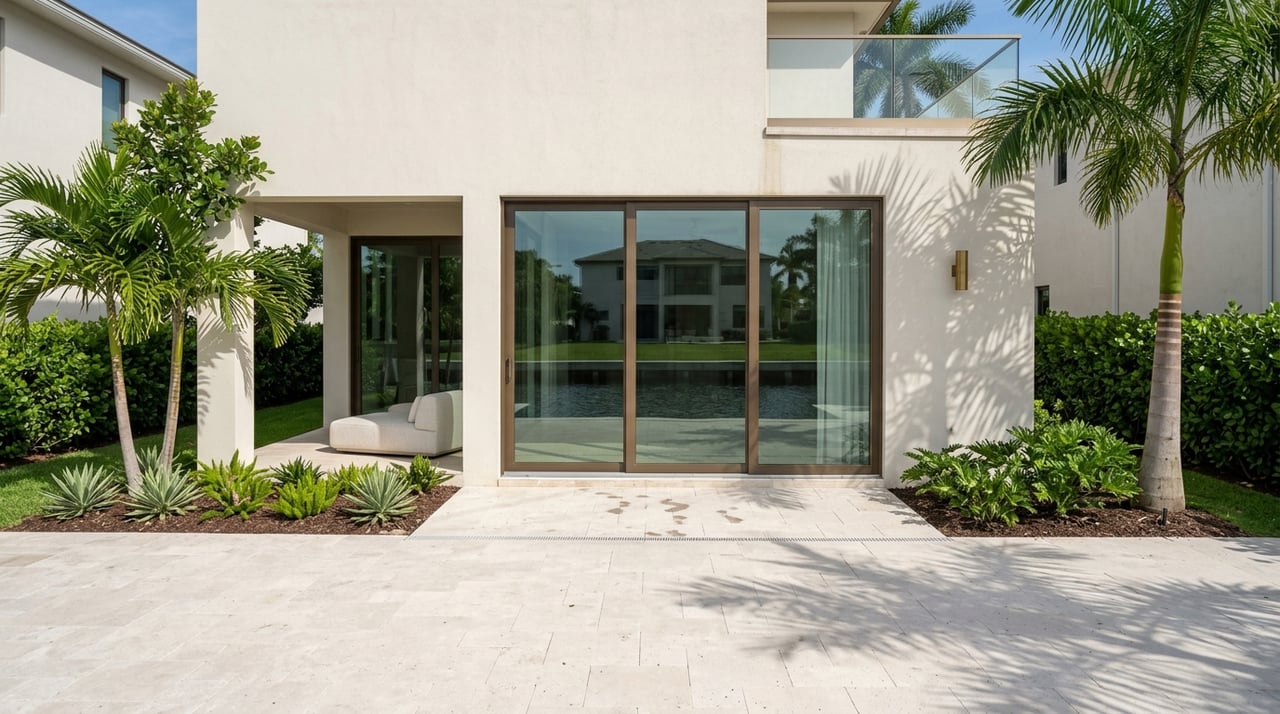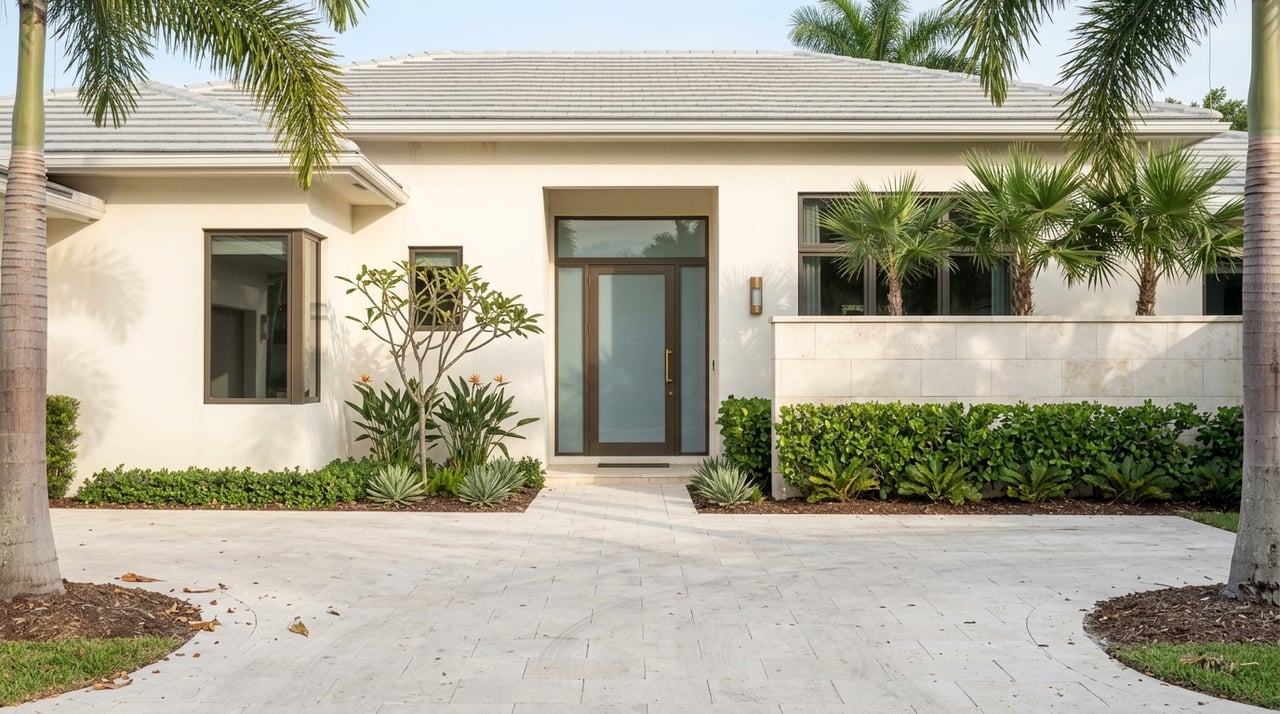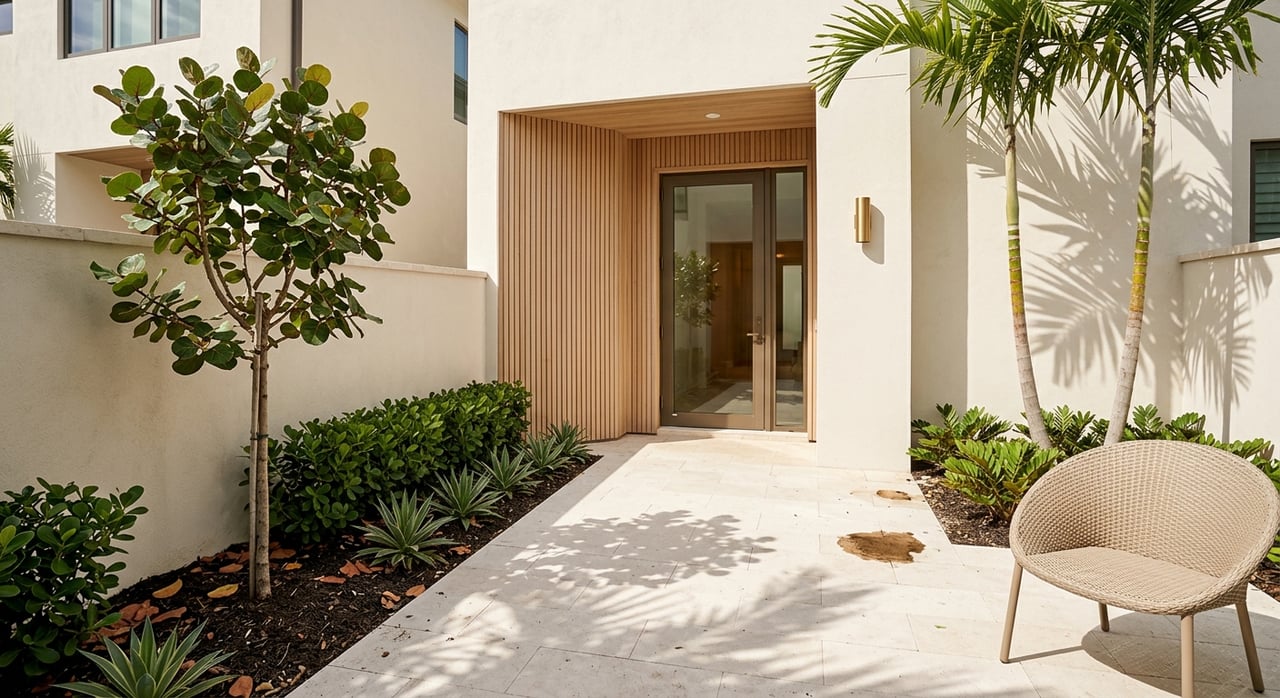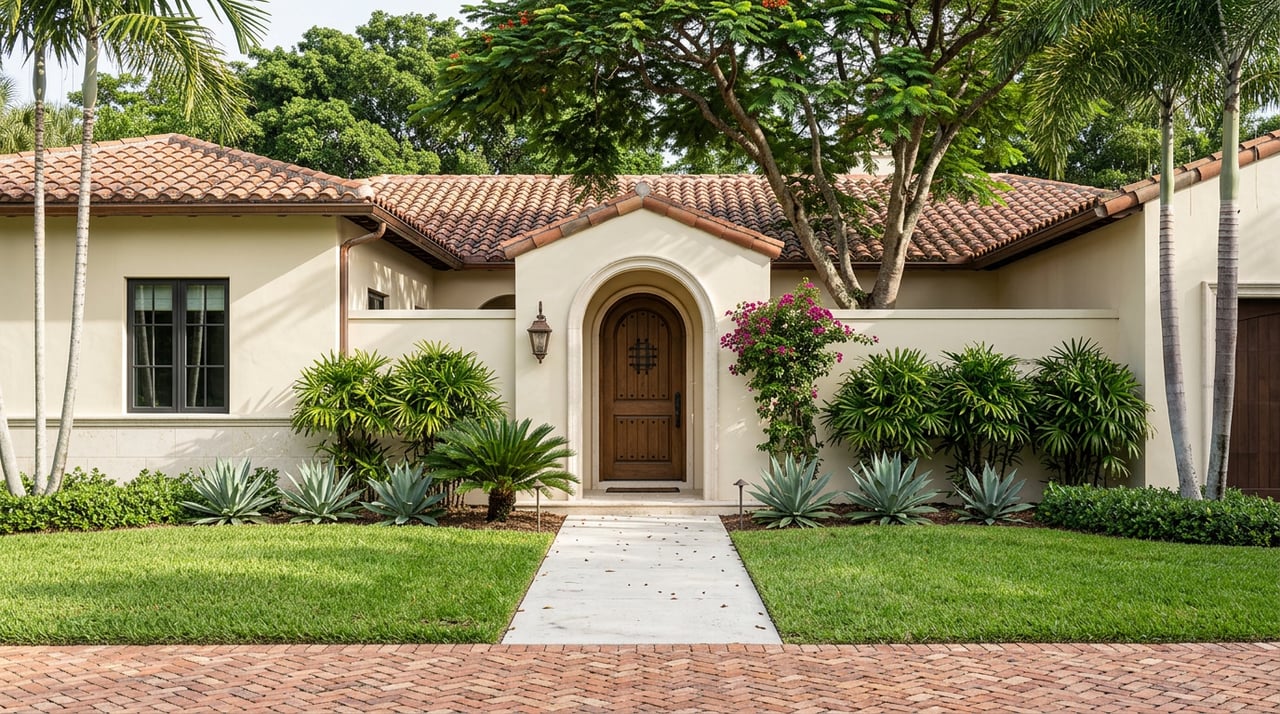
If you could read a city by its rooftops and courtyards, you would spot Coral Gables in an instant. The red tile, shaded arcades and storybook entrances are not an accident. They come from a 1920s plan that still shapes how homes look and how neighborhoods feel today. In this guide, you will learn the language of Coral Gables architecture, where each style lives, how lot types affect your lifestyle and budget, and what to check before you buy or renovate. Let’s dive in.
What makes Coral Gables iconic
Coral Gables began as a planned “City Beautiful” community in the 1920s under developer George E. Merrick. He assembled a design team, including Phineas Paist, Denman Fink and Frank Button, to craft entrances, boulevards and residential villages that aligned around a Mediterranean vision. That early plan explains why streetscapes feel cohesive and why public spaces and homes share a common vocabulary. You can trace that story through the city’s own history resources at the City Historical Resources page.
Landmark buildings reinforce the look at a civic scale. The Biltmore Hotel, City Hall and the Venetian Pool show how Mediterranean forms and native stone define place. For a visual primer, explore a photo tour and history of the Biltmore Hotel and the story behind the Venetian Pool, which was carved from a limestone quarry in 1924.
Mediterranean Revival, in plain English
The dominant style in Coral Gables is Mediterranean Revival, sometimes blended with Spanish Colonial Revival or Italianate notes. Key features you will recognize:
- Stucco walls in light, sun-washed tones
- Low-pitched red clay barrel tile roofs
- Arched doors and windows, often grouped in pairs or threes
- Shaded loggias and arcades that cool the façade
- Wrought-iron grilles, balconies and lanterns
- Decorative ceramic tile accents and stair risers
- Inner courtyards and formal fountains for light and airflow
These choices are about beauty and climate. Deep porches, courtyards and cross-breezes make homes more comfortable in South Florida heat. For a quick style glossary, see the overview of Mediterranean Revival architecture.
Streets, lots and lifestyles
The same style can feel very different depending on lot size, street canopy and proximity to water or downtown. Here is how that plays out across Coral Gables.
Historic village cores
In Old Coral Gables, along the Granada and Ponce corridors and near Ponce Circle, you will find smaller-scale cottages and carefully planned entrances. Mature tree canopies, brick pavers and consistent setbacks create an intimate and walkable feel. These are the pockets most tied to the city’s historic identity, and design review is active to protect that character.
Waterfront estates
Along the southern and eastern edges, estate neighborhoods offer deep-water access and generous lots. Think private docks, long setbacks, and room for service wings, car collections and large terraces. In these pockets, value often starts with how usable the lot is, the quality of views, and the length and condition of the dock and seawall.
Gated islands like Cocoplum
On later-developed coastal islands, you will see a range of styles from Mediterranean to contemporary. These enclaves focus on boating lifestyles and privacy, with tropical planting and private amenity sets. It is a different rhythm than the 1920s cores, shaped by water access and community covenants.
Downtown and Miracle Mile
Near Miracle Mile and the Shops at Merrick Park, the pattern shifts to mixed-use and boutique mid-rise living. Here, builders adapt Mediterranean motifs to townhomes and condo façades to fit a pedestrian setting. The result is a denser, convenient streetscape that still nods to the city’s roots.
Variety beyond villas
Not every home is a grand Mediterranean villa. You will also see 1920s cottages, mission-influenced apartments, mid-century homes and later contemporary builds. In many areas, new construction sits next to historic homes, which has fueled ongoing local conversations about preservation.
Buying by property type
Different property types call for different homework. Use these quick guides to focus your search and protect your budget.
Waterfront estate priorities
Waterfront estates promise indoor-outdoor living and boat access. Before you make an offer, confirm:
- Dock length, depth, and bridge clearance along your route to the bay
- Seawall age and condition, and any recent repairs
- Recorded water rights, recent surveys and title details
- Flood exposure, elevation and insurance quotes
The right answers help you match the home to your boating plans and long-term costs.
Historic home essentials
Historic character is a major draw in Coral Gables. It also comes with procedures that protect that character:
- Check whether the home is locally designated or inside a local historic district. Start with the city’s Historic Preservation resources.
- Expect a Certificate of Appropriateness for visible exterior changes, additions or demolition in designated properties. The review looks at materials, proportions and how new work relates to old.
- Build time into your plan. Approvals can take months, not weeks, especially for significant changes.
Townhomes and boutique condos
Around the downtown fringe, you will see curated townhome clusters and boutique condos. The legal form matters. Fee-simple townhomes usually put exterior care on the owner, while condos centralize it under an association and master policy. For condos, request budgets, reserve studies and any milestone or structural inspection summaries before you commit. That paperwork affects lending and future assessments.
Rules, reviews and timelines
Coral Gables runs a robust preservation and planning program. If you are buying with any plan to improve, add, or replace, know these steps early.
- The Historic Preservation Board reviews locally designated landmarks and districts. They apply standards that align with the U.S. Secretary of the Interior’s approach to rehabilitation. See the city’s Historic Preservation office for applications and guidance.
- Larger or more complex proposals move through a multi-step development pipeline. That can include pre-application, Development Review Committee, Board reviews, Planning and Zoning and City Commission hearings. The legal framework is outlined in Chapter 8 of the zoning code at Zoneomics.
- Timelines vary by scope and board calendars. To understand sequence and typical durations, start with the city’s Development Review Process Handbook.
- For any parcel, confirm zoning district, height, setbacks and lot coverage on the city’s interactive Zoning Code and Map. A quick check can save you from design surprises later.
Resilience, insurance and due diligence
In waterfront and near-bay areas, flood exposure and resilience planning drive both design and carrying costs. Even inland, insurance and inspections can shape your budget. Here is how to stay ahead:
- Pull the parcel on FEMA’s Flood Map Service Center and request the current elevation certificate.
- Ask your insurance advisor for flood and wind quotes during your inspection window, not after.
- Use NOAA’s Sea Level Rise Viewer as a scenario tool to understand long-term exposure. It is a planning resource, not a predictor, but it frames risk.
- For older homes, budget for roof, electrical, plumbing and window upgrades. For condos, review association reserves and any recent inspection reports.
Quick buyer checklist
- Confirm local historic status and whether a Certificate of Appropriateness could be required for exterior changes.
- Run a zoning and setbacks check on the city’s interactive map before you design or bid. Use the Zoning Code and Map.
- On waterfronts, verify dock capacity, seawall condition and any bridge or canal limits on boat size. Pair that with a recent boundary survey and title review.
- For older homes, consider requesting a Historical Significance Determination Letter from the city before planning any major teardown.
- Pull FEMA flood info, gather elevation data and get insurance quotes early. Keep an eye on association budgets and inspections for condo purchases.
- In gated enclaves, review HOA covenants, application steps, dues and any transfer rules before you go under contract.
Coral Gables inspiration tour
As you tour, look for the small details that make Coral Gables feel like Coral Gables. You will see red barrel tile roofs catching the light, and shaded loggias that make a midday coffee comfortable. Step inside courtyards framed by arcades, and listen for the splash of a small fountain. Notice wrought-iron balconies, hand-painted tile stair risers, and bridges and walls with native oolitic limestone touches, especially around the Venetian Pool.
All of that beauty was planned a century ago, and it is still being curated through today’s design reviews. Knowing the language of the architecture, and the steps behind it, helps you buy with confidence and preserve what you love.
Ready to map your favorite streets to the right property type and budget, with clear next steps? Let’s talk about your goals, timelines and must-haves. For bilingual, white-glove guidance across Miami-Dade and Broward, connect with the Thormann Caltabiano Group. We can help you align style, location and due diligence so your Coral Gables move feels effortless.
FAQs
What is Mediterranean Revival architecture in Coral Gables?
- It is a style with stucco walls, red barrel tile roofs, arches, courtyards and ironwork, chosen for Old World charm and climate comfort. See a quick overview of Mediterranean Revival architecture.
How do historic designations affect renovations in Coral Gables?
- Locally designated landmarks and districts require a Certificate of Appropriateness for visible exterior changes. Start with the city’s Historic Preservation resources to understand scope and timing.
Where can I check zoning and setbacks for a Coral Gables property?
- Use the city’s interactive Zoning Code and Map to confirm district, height, setbacks and coverage before you design or bid.
What should I evaluate when buying a Coral Gables waterfront home?
- Verify dock length and depth, bridge clearances, seawall condition, elevation, flood zone and insurance quotes. Pull the parcel at FEMA’s Flood Map Service Center early in due diligence.
Are there condo or townhome options near Miracle Mile in Coral Gables?
- Yes, the downtown and Merrick Park area includes boutique condos and townhomes that echo historic motifs at a smaller scale, paired with walkable, mixed-use blocks close to shopping like the Shops at Merrick Park.