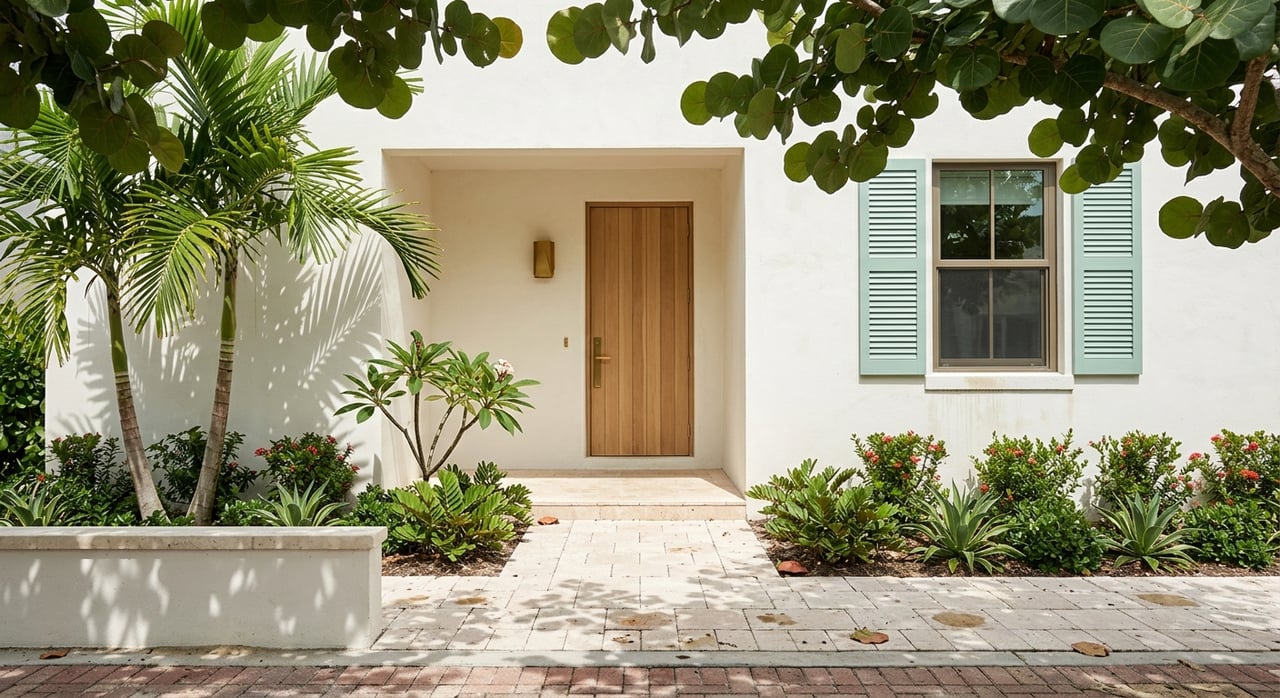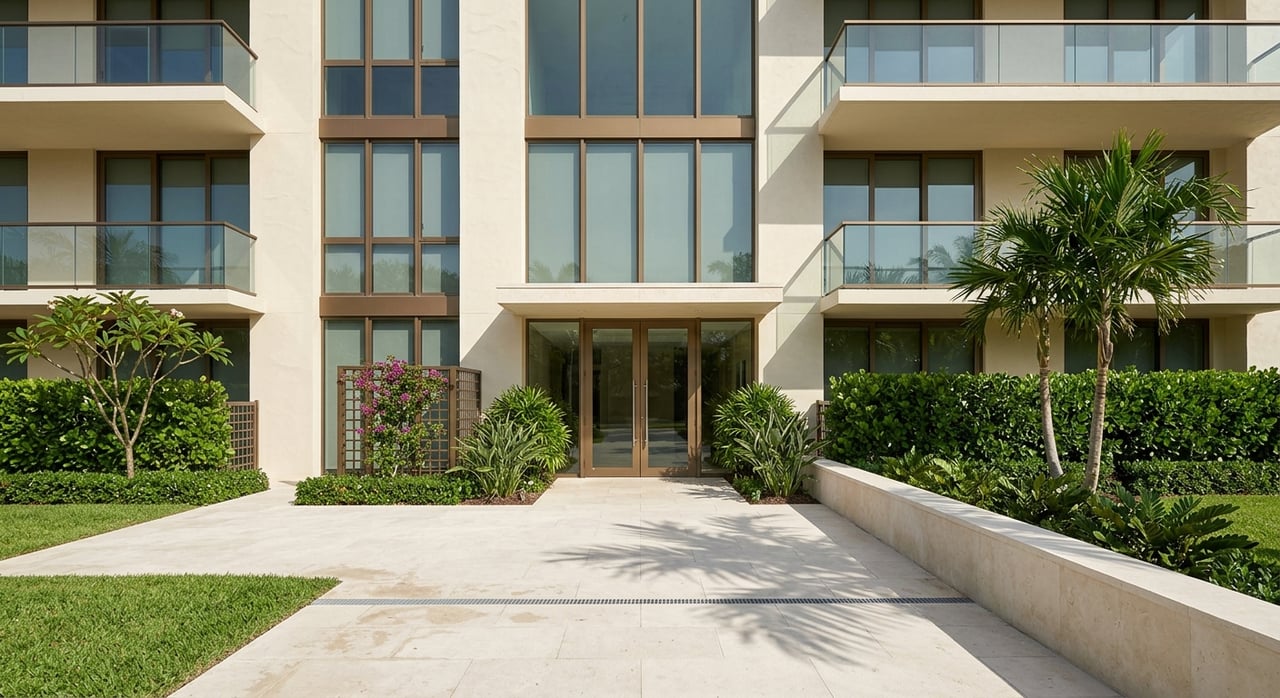
Trying to choose between a condo and a house in Fort Lauderdale? You are not alone, and the answer is rarely as simple as comparing list prices. Your lifestyle, monthly budget, maintenance tolerance, and long-term plans can all point in different directions. This guide will help you weigh the real tradeoffs so you can make a confident decision in today’s Fort Lauderdale market. Let’s dive in.
Fort Lauderdale Market Differences
In Fort Lauderdale, condos and single-family homes are behaving like two very different markets. In Q1 2026, the city recorded 407 condo and townhome closed sales, with a median sale price of $485,000 and 11.6 months of supply. Across Broward County, condo and townhome supply was 11.3 months, compared with 4.8 months for single-family homes.
That matters because inventory often shapes your buying experience. More condo supply can mean more choices and, in some cases, more room to negotiate. Single-family homes tend to be more limited by land and availability, which can create a tighter search.
The gap becomes even clearer in core Fort Lauderdale ZIP codes. In 33306, condos had a median price of $315,000 versus $1.1 million for single-family homes. In 33308, condos were at $405,000 compared with $932,500 for homes, and in 33305, condos reached $487,000 while single-family homes were $1.2821 million.
Why List Price Is Not Enough
A lower purchase price does not always mean a lower monthly cost. Your true payment may include principal, interest, property taxes, mortgage insurance, homeowner’s insurance, flood insurance, and HOA fees. If you only compare sticker price, you can miss the bigger financial picture.
For many Fort Lauderdale condo buyers, HOA dues are a major part of that equation. Those dues are usually paid separately from the mortgage and can range from a few hundred dollars per month to more than $1,000. In a house, you may avoid condo fees, but you take on more direct responsibility for maintenance and repairs.
Condo Costs to Watch
With a condo, your regular dues typically help cover building operations and reserve funding. You also need to ask whether the association has enough reserves for major repairs and whether there is a history of special assessments. A special assessment is an extra fee charged when regular dues are not enough to cover certain costs.
Condo bylaws can also affect your budget and flexibility. They may include rules about exterior elements, property use, and renting out the unit. If rental income or part-time occupancy matters to you, those rules should be reviewed early.
Home Costs to Watch
With a house, you have more direct control, but you also carry more direct risk. Roof work, plumbing issues, exterior repairs, and other major replacements fall on you as the owner. That can be manageable when planned well, but it can also lead to surprise expenses.
A house budget should include a repair cushion, not just your mortgage payment. Buyers sometimes focus on the freedom of single-family ownership and underestimate the cost of upkeep. In Fort Lauderdale’s climate, that planning is especially important.
Florida Tax Benefits for Primary Residences
If the property will be your primary residence, Florida’s homestead rules may change your long-term numbers. The Florida Department of Revenue says a qualifying permanent residence may reduce taxable value by as much as $50,000. The Save Our Homes cap also generally limits annual assessment increases to 3 percent or the CPI change, whichever is less.
These benefits usually matter most for owner-occupants planning to stay put. If you are buying a second home or investment property, you should not assume you will receive the same tax treatment. In Broward County, that difference can meaningfully affect affordability over time.
Condo Due Diligence in Fort Lauderdale
If you are leaning condo, Florida’s newer building and reserve rules make due diligence more important than ever. You are not just buying the unit itself. You are also buying into the building’s financial condition, maintenance planning, and governance.
State law requires milestone inspections for certain condominium and cooperative buildings that are three habitable stories or more, generally by the time the building reaches 30 years of age and every 10 years after that. In some cases, local enforcement can require the inspection at 25 years, such as when a building is near salt water.
Florida law also requires structural integrity reserve studies at least every 10 years for qualifying residential condominium buildings. These studies address major components such as the roof, structure, fireproofing, plumbing, electrical systems, waterproofing, and windows and exterior doors.
For budgets adopted on or after December 31, 2024, many associations that are required to obtain these reserve studies may not waive or reduce reserves for the covered items. Funding can come through regular assessments, special assessments, loans, or lines of credit. That means buyers need to understand not just current dues, but also whether future increases may be likely.
Documents to Review Before You Buy
If you are considering a condo in Fort Lauderdale, ask to review:
- The current HOA budget
- The most recent reserve study
- Any milestone inspection summary, if applicable
- The association’s special assessment history
- Insurance information for the association
- Rules on rentals, leasing minimums, and occupancy
For contracts entered after December 31, 2024, buyers should receive the inspector-prepared summary of any milestone inspection and the most recent structural integrity reserve study, or a clear statement if the association has not completed a required inspection or study.
Flood Risk Matters for Both Options
In Fort Lauderdale, flood risk is not only a house issue. It can affect condos and homes alike, especially in coastal and low-lying areas. The city identifies AE, AO, AH, and VE flood zones on its flood maps.
The city also states that flood insurance is required for buildings in mapped Special Flood Hazard Areas when there is a mortgage from a government-backed lender. Even outside those areas, owners and renters may still buy federal flood insurance because Fort Lauderdale participates in the National Flood Insurance Program.
This is one more reason to compare total ownership cost, not just price per square foot. A property that looks appealing on paper may carry a different insurance profile depending on location.
Lifestyle Tradeoffs in Fort Lauderdale
Your daily routine may be the biggest clue in this decision. Fort Lauderdale includes a mix of urban, coastal, and more residential settings, with areas such as Downtown Fort Lauderdale, Flagler Village, Central Beach, Lauderdale Beach, Harbor Beach, Victoria Park, Coral Ridge, and Las Olas Isles each offering a different feel.
The city’s Downtown Master Plan describes downtown as an active urban center with housing, shopping, office space, entertainment, public spaces, and transportation options. In practical terms, that kind of environment often aligns well with condo living. If you value a lock-and-leave setup, building amenities, and easier access to urban or coastal activity, a condo may fit your lifestyle.
A house often appeals to buyers who want more privacy, more outdoor space, and more freedom to renovate or manage the property directly. If your ideal day includes a yard, extra storage, or fewer shared decisions, a single-family home may be the better match.
What About Investors and Second-Home Buyers?
If you plan to rent out the property, your decision needs another layer of review. Fort Lauderdale requires registration for any single-family, two-family, three-family, four-family dwelling unit, or condominium advertised for stays of 30 days or less to transient occupants. The city also requires state and county licensing before city registration.
For condos, city rules are only part of the picture. Building bylaws may limit or prohibit certain rental arrangements, even if city registration is available. Before making an offer, confirm both the local rules and the association rules.
A Simple Decision Framework
If you are still deciding, use this order of operations:
- Compare the full monthly cost, including mortgage, taxes, insurance, flood insurance, HOA dues, and expected maintenance.
- If you are buying a condo, review the budget, reserves, inspection disclosures, insurance, and rental rules.
- If you are buying a house, plan for ongoing repairs and major replacements.
- If this will be your primary residence, factor in homestead exemption and Save Our Homes.
- If you may rent the property, confirm city registration requirements and any condo restrictions before you commit.
How to Decide What Fits You Best
In Fort Lauderdale, condos often win on convenience, amenities, and access to urban or coastal locations. Houses often win on privacy, flexibility, and long-term control over the property. Neither option is automatically better. The right choice depends on how you want to live, what you want to spend each month, and how much responsibility you want to take on.
If you want a lower-maintenance setup and are comfortable reviewing association finances carefully, a condo may be a smart fit. If you value space, autonomy, and the ability to make your own property decisions, a house may serve you better.
A thoughtful side-by-side comparison can save you from buying the wrong type of property for your goals. If you want guidance tailored to your budget, lifestyle, or relocation plans in Broward County, the team at Thormann Caltabiano Group can help you compare your options with clarity.
FAQs
What is the main price difference between Fort Lauderdale condos and homes?
- In Q1 2026, Fort Lauderdale condos and townhomes had a citywide median sale price of $485,000, while single-family homes in several core ZIP codes showed much higher median prices, including about $1.1 million in 33306, $932,500 in 33308, and $1.2821 million in 33305.
What extra costs should Fort Lauderdale condo buyers expect?
- Fort Lauderdale condo buyers should budget for HOA dues, insurance costs, possible flood insurance, reserve contributions built into dues, and the potential for special assessments if the association needs additional funding.
What extra costs should Fort Lauderdale home buyers expect?
- Fort Lauderdale home buyers should plan for maintenance and repair costs that stay with the owner, including items like roofing, plumbing, exterior work, and other major replacements over time.
What condo documents should Fort Lauderdale buyers review?
- Fort Lauderdale condo buyers should review the HOA budget, reserve study, milestone inspection summary if applicable, special assessment history, association insurance information, and rental or leasing rules.
Does flood insurance matter for Fort Lauderdale condos and homes?
- Yes. The City of Fort Lauderdale states that flood insurance is required for buildings in mapped Special Flood Hazard Areas when there is a mortgage from a government-backed lender, and coverage may still be available outside those areas.
Do Fort Lauderdale primary residents get tax benefits?
- Buyers using the property as a permanent Florida residence may qualify for the homestead exemption, which can reduce taxable value by up to $50,000, and Save Our Homes may help limit annual assessment increases.
Can you use a Fort Lauderdale condo or home as a short-term rental?
- Possibly, but you need to confirm both city requirements and property-specific rules because Fort Lauderdale requires registration for certain rentals of 30 days or less, and condo associations may have their own restrictions.